Creating an aesthetic that matches one’s lifestyle involves understanding personal values and translating them into visual elements. A well-curated aesthetic not only enhances surroundings but also reflects individuality and satisfaction in daily life. By aligning colors, textures, and themes with daily routines, a cohesive environment can be established that feels both comfortable and inspiring.
People often overlook the impact of their surroundings on their well-being. When space and style resonate with personal interests and habits, it fosters a greater sense of harmony. Whether through minimalism, bohemian flair, or sleek modernity, choices can truly represent who someone is and what they value.
Exploring different aesthetics allows individuals to experiment and refine their preferences. By assessing their lifestyle, examining influences, and making thoughtful choices, they can create an atmosphere that is uniquely theirs. Understanding this process is the key to transforming living spaces into a true reflection of personal style.
Understanding Aesthetics and Lifestyle Alignment
Aesthetics play a crucial role in how individuals express their lifestyle. Aligning personal style with one’s aesthetics fosters authenticity and self-confidence. Key elements include defining aesthetics, recognizing self-expression, and choosing between minimalism and maximalism.
Defining Aesthetics and Personal Style
Aesthetics refers to the set of principles that guide an individual’s visual preferences. Personal style encompasses the unique way a person expresses themselves through fashion, decor, and other aspects of life.
They can be influenced by cultural background, personal experiences, and current trends.
Understanding these factors can help individuals craft a cohesive look that resonates with their identity.
For example, someone with a bohemian aesthetic may incorporate earthy tones and textures, while a person who prefers modern aesthetics might favor clean lines and neutral palettes.
The Importance of Self-Expression
Self-expression is vital for mental well-being and confidence. By aligning aesthetics with personal lifestyle, individuals can communicate their values and interests visually.
This connection allows for a more genuine representation of self.
For instance, art can reflect one’s aesthetic values, whether through wall decor, fashion choices, or even social media presence.
Strong aesthetics can create a sense of belonging and make one feel comfortable in their own space.
Ultimately, when styles reflect true self-expression, everyday life can feel more fulfilling.
Minimalism vs. Maximalism
Minimalism emphasizes simplicity and functionality. It advocates for fewer possessions and a clean environment, promoting peace and clarity.
This aesthetic can lead to a more intentional lifestyle, focusing on what truly matters.
Maximalism, on the other hand, celebrates abundance and creativity. It encourages individuals to showcase their personality through vibrant colors, mixed patterns, and diverse decor.
Both styles have their merits, and personal preference plays a significant role in each person’s choice.
Choosing between minimalism and maximalism can impact how one curates their environment to reflect their life priorities and emotional needs.
Understanding the spectrum between these two approaches allows individuals to find a balance that suits their lifestyle best.
Identifying Your Unique Aesthetic
Identifying a unique aesthetic involves exploring personal sources of inspiration, recognizing core interests and values, and blending artistic elements with lifestyle choices. Each aspect contributes to a holistic understanding of individual style.
Exploring Sources of Inspiration
Individuals can uncover their aesthetic by immersing themselves in various sources of inspiration. This can include art, fashion, nature, and design.
Key steps to consider:
- Online Platforms: Websites like Pinterest and Instagram are valuable for discovering visual inspiration. Users can create boards to curate images that resonate with them.
- Art Galleries and Museums: Visiting these spaces can spark ideas and provide insight into different artistic movements.
- Nature: Observing colors, textures, and patterns in the natural world can guide personal preferences.
Analyzing these sources helps refine what elements speak to one’s identity.
Assessing Your Interests and Values
Understanding one’s personal interests and values is essential in defining aesthetics. What resonates with someone on a personal level influences their visual choices.
Important considerations include:
- Hobbies and Activities: Identifying favorite pastimes can inform style choices. For example, a love for gardening may inspire a preference for earthy tones and natural materials.
- Cultural Background: Personal history and heritage often play a role in shaping aesthetics, incorporating elements that reflect one’s roots.
- Values: Sustainability, minimalism, or bold expression can dictate preferences in style and art.
Reflecting on these components leads to a clearer picture of a unique aesthetic.
Blending Art and Lifestyle Choices
The intersection of art and lifestyle choices creates a cohesive aesthetic. Individuals can integrate elements that reflect both artistic preferences and daily life.
Key ways to blend include:
- Home Decor: Incorporating art into living spaces allows for personal expression. Choosing art pieces that evoke joy or inspiration supports the desired aesthetic.
- Wardrobe Choices: Clothing should align with both personal style and convenience. Selecting pieces that enhance creativity while being practical is crucial.
- Dining and Entertaining: The way one sets a table or arranges a gathering can reflect artistic tastes and lifestyle, creating a harmonious environment.
Through these combinations, individuals can manifest a lifestyle that visually represents their identity.
Translating Your Aesthetic Into Daily Life
Translating an aesthetic into daily life involves merging personal style with practical choices in fashion, home décor, and creative expression. This allows individuals to authentically showcase their identity in various aspects of their lives.
Wardrobe and Fashion Integration
To effectively reflect an aesthetic through wardrobe choices, one must curate outfits that resonate with their personal style. This can include key pieces that embody the desired look, such as streetwear trends with graphic tees, oversized jackets, and sneakers for a relaxed vibe.
A cohesive color palette and specific patterns can enhance the overall aesthetic. For example, earth tones can evoke a bohemian feel, while monochromatic outfits may align with a minimalist style.
Tips for Fashion Integration:
- Invest in statement accessories like hats or bags.
- Mix and match textures to add depth.
- Regularly assess and update the wardrobe to stay aligned with evolving tastes.
Incorporating Aesthetics Into Your Home
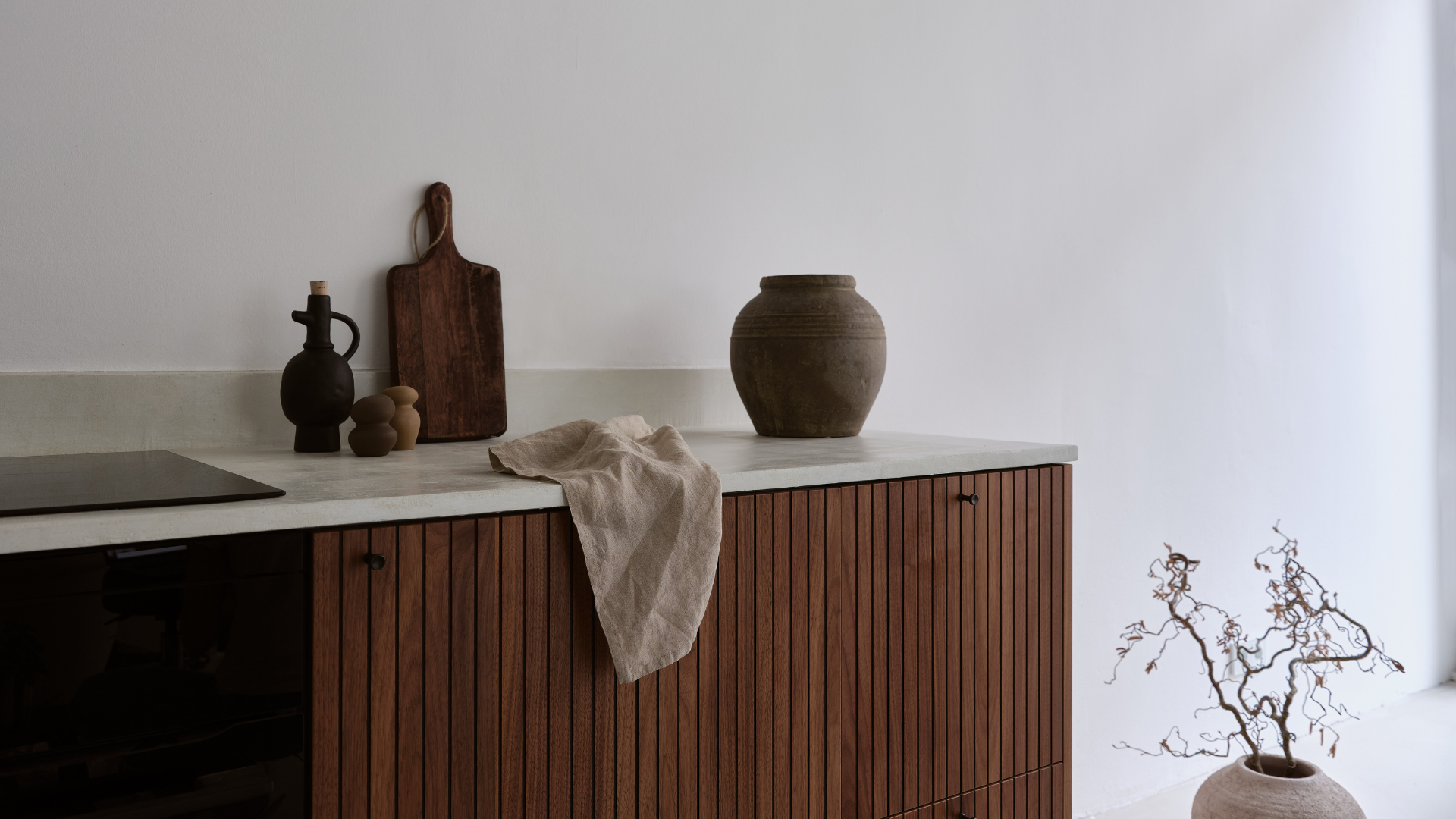
Home décor plays a significant role in expressing aesthetics. It starts with selecting furniture and décor items that complement the chosen style. For instance, a vintage aesthetic may call for thrifted pieces, while a modern look could utilize sleek furnishings.
Color schemes can reflect personal style; pastels for a soft, romantic feel or bold hues to make a statement.
Essential Elements for Home Aesthetics:
- Use art that resonates, such as framed photographs or prints.
- Incorporate personal items that tell a story.
- Choose lighting that creates the desired ambiance.
Photography and Visual Storytelling
Photography serves as a powerful medium for expressing one’s aesthetic. Individuals can curate their feeds on platforms like Instagram by focusing on a cohesive style in every shot.
Setting composition, lighting, and subjects are essential considerations. Capturing moments in environments that illustrate personal style enhances visual storytelling.
Photography Tips:
- Use natural light for more authentic images.
- Experiment with different angles and perspectives to show depth.
- Maintain a consistent editing style to unify the imagery.
Creative Practices: Writing and Beyond
Writing offers another avenue to express one’s aesthetic. It can range from personal blogging to poetry that reflects individual taste. The choice of language, themes, and style can mirror visual aesthetics, creating a complete artistic expression.
Choosing specific topics that resonate or convey a particular mood aligns the written word with visual elements.
Creative Writing Strategies:
- Incorporate descriptive language that paints vivid pictures.
- Explore different genres to discover what fits the aesthetic.
- Regularly write or journal to refine one’s voice and style.